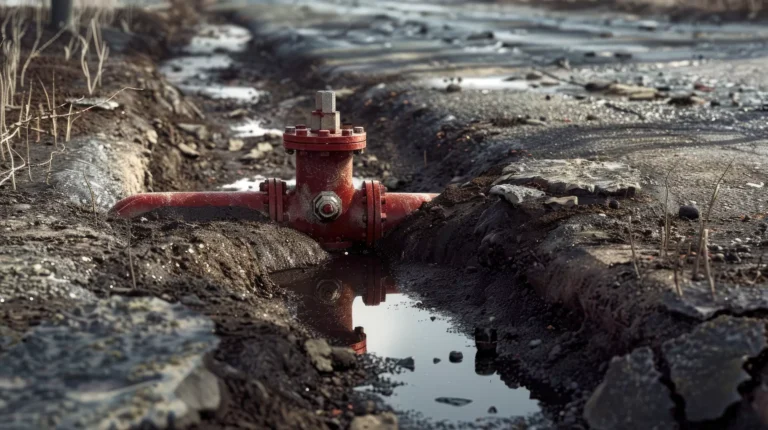
Understanding Underground Fire Main Installation
Underground fire main installation represents one of the most critical components of commercial fire protection systems. At Vincent Fire Protection & Plumbing, we specialize in designing and installing these essential water supply networks that serve as the backbone of any comprehensive fire suppression system. These underground mains carry water from municipal supplies or private sources directly to building risers, hydrants, and sprinkler systems, ensuring adequate water pressure and flow rates during emergency situations.
The complexity of underground fire main installation requires extensive expertise in hydraulic calculations, soil conditions, and local fire codes. Our team brings over 50 years of experience to every project, understanding that proper installation directly impacts the effectiveness of the entire fire protection system. We work closely with fire marshals, engineers, and property owners throughout Central Florida to ensure every installation meets or exceeds NFPA standards while providing reliable protection for decades to come.
Critical Design Considerations and Planning
Before breaking ground on any underground fire main project, comprehensive planning determines the success of the installation. We begin by conducting thorough site assessments that evaluate existing utilities, soil composition, water table levels, and potential obstacles. This detailed analysis allows us to design routing that minimizes conflicts with other underground infrastructure while maintaining optimal hydraulic performance. Our in-house fabrication capabilities enable us to create custom fittings and connections that perfectly match each project’s unique requirements, significantly reducing construction time and ensuring precise installations.
Water supply calculations form another crucial aspect of the design phase. We analyze required flow rates, residual pressures, and friction losses to properly size pipes and components. Current industry standards typically require commercial buildings to maintain specific water flow rates ranging from 500 to 3,000 gallons per minute, depending on occupancy type and building size. Our engineering team utilizes advanced hydraulic modeling software to simulate various fire scenarios, ensuring the underground main can deliver adequate water volume and pressure to the most hydraulically demanding areas of the protected property.
Installation Process and Technical Specifications
The physical installation of underground fire mains demands precision and adherence to strict technical specifications. We typically install mains at depths between 4 and 6 feet below grade, though local frost lines and soil conditions may require deeper placement. The excavation process requires careful attention to maintain proper bedding and backfill materials that protect the pipe from damage while allowing for thermal expansion and contraction.
Pipe materials vary based on project requirements and local codes. We commonly install:
- Ductile iron pipe – offering superior strength and longevity with typical service lives exceeding 100 years
- C900 PVC pipe – providing corrosion resistance and cost-effectiveness for specific applications
- HDPE pipe – delivering flexibility and chemical resistance in challenging soil conditions
Joint restraint systems prevent pipe separation under pressure surges, while thrust blocks at direction changes provide additional stability. We install isolation valves at strategic locations, allowing sections to be shut down for maintenance without compromising the entire system. Our 24/7 emergency service ensures immediate response if issues arise during or after installation.
Testing, Commissioning, and Compliance
Following installation, rigorous testing validates system integrity and performance. We conduct hydrostatic pressure tests at 200 PSI or 50 PSI above working pressure, whichever is greater, maintaining this pressure for a minimum of two hours while monitoring for leaks or pressure drops. Flow tests verify that installed mains deliver design flow rates at required residual pressures, confirming hydraulic calculations match real-world performance.
Underground mains must also undergo flushing procedures to remove construction debris and achieve water clarity standards. We coordinate with water authorities to ensure proper chlorination and bacteriological testing when connecting to potable water systems. Our comprehensive NFPA 25 inspection services include ongoing monitoring of underground mains through regular flow tests and visual inspections of exposed components.
Long-Term Reliability and Maintenance
Properly installed underground fire mains should provide decades of reliable service with minimal maintenance requirements. However, regular inspections identify potential issues before they compromise system performance. We recommend annual flow tests to verify continued adequate water supply and identify any degradation in system capacity. Our inspection services include checking valve operation, evaluating corrosion protection systems, and assessing backflow prevention devices.
Vincent Fire Protection & Plumbing offers free estimates for all underground fire main projects, helping property owners understand costs and scope before committing to installation. Our third-generation expertise ensures every project receives attention to detail that only comes from decades of specialized experience. Whether installing new mains for ground-up construction or replacing aging infrastructure in existing facilities, we deliver solutions that protect properties and lives throughout Cape Canaveral, Christmas, Cocoa Beach, Cocoa, Merritt Island, Orlando, Rockledge, Satellite Beach, Sharpes, and Titusville.