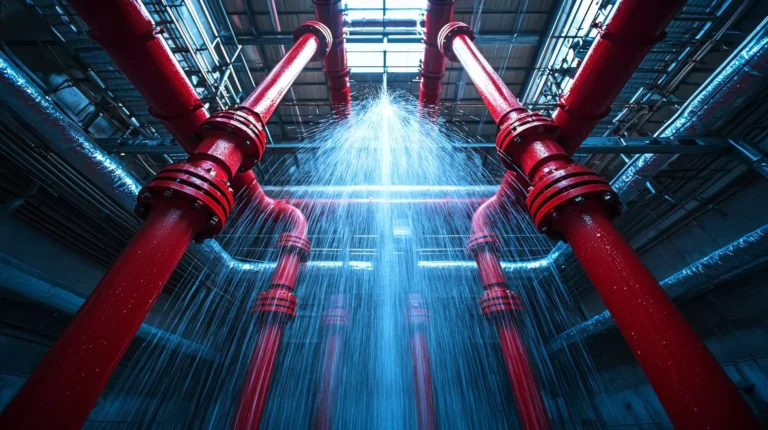
Comprehensive Fire Suppression System Installation for Cocoa Beach Properties
Fire suppression system installation requires meticulous planning, expert knowledge of local codes, and precise execution to protect commercial properties throughout Cocoa Beach. At Vincent Fire Protection & Plumbing, we specialize in designing and installing complete fire suppression solutions that meet the unique demands of coastal Florida’s commercial landscape. Our installation process begins with thorough site assessments, evaluating building layouts, occupancy types, hazard classifications, and water supply capabilities to determine optimal system configurations. Each installation incorporates advanced components including sprinkler heads, piping networks, control valves, alarm systems, and monitoring equipment strategically positioned for maximum coverage and rapid response times.
The coastal environment of Cocoa Beach presents specific challenges that we address through specialized installation techniques and corrosion-resistant materials. Salt air exposure, high humidity levels, and potential hurricane conditions all factor into our system designs, ensuring long-term reliability and performance. We implement stainless steel components, protective coatings, and enhanced drainage systems to prevent corrosion and maintain system integrity throughout the harsh marine environment. Our 24/7 emergency service ensures immediate response when installation issues arise or systems require urgent modifications.
Advanced Sprinkler System Technologies and Applications
Modern fire sprinkler installations encompass various technologies tailored to specific commercial applications found throughout Cocoa Beach’s diverse business community. Wet pipe systems remain the most common installation for hotels, restaurants, and retail establishments, providing immediate water discharge when heat activates individual sprinkler heads. These systems maintain water pressure throughout the piping network, delivering response times typically under 60 seconds from heat detection to water discharge. Dry pipe systems serve facilities where freezing isn’t a concern but water damage prevention remains critical, such as server rooms, document storage areas, and sensitive equipment zones.
Pre-action systems combine electronic detection with sprinkler activation, requiring both smoke detection and sprinkler head activation before water releases. This dual-activation approach prevents accidental discharge while maintaining rapid fire suppression capabilities. Deluge systems provide simultaneous discharge from all sprinkler heads, ideal for high-hazard areas containing flammable liquids or chemicals. Our in-house fabrication capabilities allow us to custom-build components for commercial renovations, significantly reducing construction timeframes while ensuring perfect fit and optimal performance.
Regulatory Compliance and Code Requirements
Fire suppression system installation in Cocoa Beach must comply with multiple regulatory frameworks including National Fire Protection Association standards, Florida Building Code requirements, and local municipal ordinances. NFPA 13 governs sprinkler system design, installation, and materials, establishing minimum requirements for spacing, water supply, and hydraulic calculations. We conduct comprehensive NFPA 25 inspections covering fire sprinklers, fire hydrants, fire pumps, standpipes, and both domestic and fire suppression backflows to ensure ongoing compliance and system readiness.
Florida’s unique environmental conditions necessitate additional considerations beyond standard NFPA requirements. Wind load calculations for coastal installations must account for Category 5 hurricane conditions, requiring reinforced mounting systems and flexible connections to accommodate building movement. Seismic bracing requirements, though less stringent than California standards, still demand proper support spacing and load distribution calculations. Our team maintains current certifications and continuing education to stay informed about evolving code requirements and best practices in fire suppression technology.
System Design and Hydraulic Calculations
Effective fire suppression system installation begins with detailed hydraulic calculations determining water flow rates, pressure requirements, and pipe sizing throughout the distribution network. We analyze water supply curves, factoring in available city water pressure, elevation changes, and friction losses through piping, fittings, and valves. Computer-aided design software enables precise modeling of complex systems, optimizing pipe routing while minimizing material costs and installation complexity. Density/area calculations establish minimum water discharge rates based on occupancy classifications, with light hazard occupancies requiring 0.10 gallons per minute per square foot while extra hazard installations demand up to 0.40 GPM per square foot.
Our design process incorporates future expansion possibilities, installing larger supply mains and strategic connection points to accommodate potential building additions or occupancy changes. Free estimates include comprehensive system layouts, equipment specifications, and detailed cost breakdowns enabling informed decision-making for property owners and facility managers.
Installation Process and Quality Control
Professional fire suppression system installation follows systematic procedures ensuring quality, reliability, and code compliance throughout every project phase. Initial rough-in installation establishes main supply lines, branch piping, and hanger assemblies according to approved drawings and specifications. We coordinate closely with other trades to avoid conflicts with electrical, HVAC, and structural components while maintaining required clearances and accessibility for maintenance.
- Underground piping installation: includes thrust block placement, proper bedding materials, and pressure testing before backfill
- Riser assembly construction: incorporates control valves, flow switches, pressure gauges, and drain connections
- Branch line installation: maintains proper slope for drainage and includes seismic bracing where required
- Sprinkler head placement: ensures optimal coverage patterns and appropriate temperature ratings
- Alarm system integration: connects flow switches, tamper switches, and pressure switches to monitoring panels
- Hydraulic testing: verifies system integrity at 200 PSI or 50 PSI above working pressure
- Final inspection coordination: schedules authority having jurisdiction review and approval
Quality control measures include photographic documentation of concealed components, material certification tracking, and comprehensive testing protocols. Our installation teams undergo regular training updates covering new products, installation techniques, and safety procedures. With over 50 years serving Florida’s commercial sector, we understand the critical importance of proper installation for life safety and property protection. Each completed installation receives detailed documentation including as-built drawings, hydraulic calculations, material cut sheets, and maintenance requirements, providing facility managers with comprehensive system information for ongoing operation and future modifications.