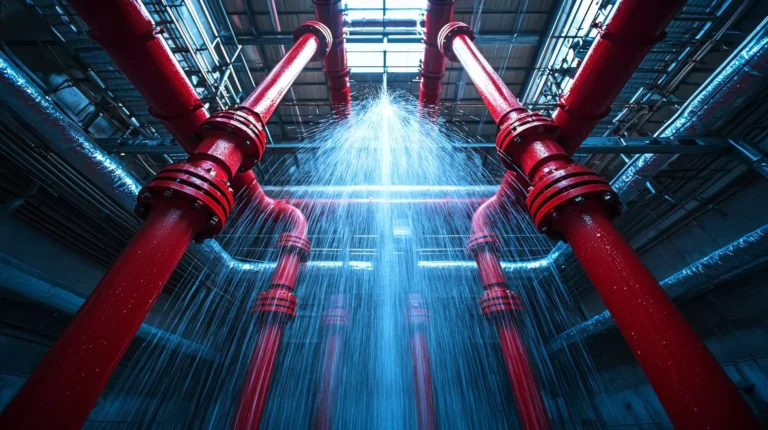
Understanding Fire Suppression System Maintenance Requirements
Fire suppression system maintenance isn’t just a regulatory requirement—it’s a critical component of protecting your property, assets, and most importantly, the lives of everyone who enters your building. At Vincent Fire Protection & Plumbing, we’ve spent over five decades perfecting our maintenance protocols to ensure every system operates at peak performance when seconds count. The National Fire Protection Association reports that properly maintained fire suppression systems reduce property damage by up to 70% compared to buildings without functional systems, making regular maintenance an investment that pays dividends in safety and asset protection.
Our comprehensive maintenance programs follow strict NFPA 25 standards, which dictate inspection frequencies, testing procedures, and documentation requirements for all water-based fire protection systems. These standards exist because fire suppression systems are complex networks of interconnected components that must work flawlessly under extreme conditions. From the moment water enters your system through the backflow preventer to its discharge through carefully engineered sprinkler heads, every component requires regular inspection, testing, and maintenance to ensure reliability.
Essential Components of Professional Fire Suppression Maintenance
When we perform maintenance on fire suppression systems throughout Central Florida, our certified technicians follow a meticulous process that examines every critical component. Water flow alarms must activate within 90 seconds of water movement, control valves need to operate smoothly without excessive force, and all gauges must provide accurate readings to ensure proper system pressure. Our 24/7 emergency service means we’re always available when unexpected issues arise, because fire protection systems don’t follow business hours.
Regular maintenance includes both visual inspections and hands-on testing of system components. We check for corrosion on pipes and fittings, verify proper water pressure at various points throughout the system, and ensure all sprinkler heads remain unobstructed and properly oriented. Our technicians also examine fire pumps for proper operation, testing both primary and backup power sources to guarantee functionality during power outages. These detailed inspections often reveal minor issues before they escalate into costly repairs or dangerous system failures.
Inspection Frequencies and Regulatory Compliance
Different components of fire suppression systems require inspection at varying intervals, and we maintain detailed records to ensure your facility remains compliant with all applicable codes. Our maintenance programs include:
- Weekly and monthly visual inspections: checking gauges, control valve positions, and ensuring no physical obstructions exist
- Quarterly inspections: testing water flow alarms, examining pipe conditions, and verifying proper drainage
- Annual comprehensive testing: full system flow tests, internal pipe inspections, and complete documentation reviews
Fire pumps require particularly rigorous maintenance schedules, including weekly churn tests and annual flow tests that verify the pump can deliver its rated capacity under various conditions. Our in-house fabrication capabilities for commercial renovations mean we can quickly manufacture replacement parts when needed, minimizing system downtime and ensuring continuous protection for your facility.
Advanced Testing Procedures and Documentation
Modern fire suppression system maintenance extends beyond simple visual inspections. We utilize sophisticated testing equipment to measure water pressure, flow rates, and system response times with precision. Hydrostatic testing ensures pipes can withstand required pressures without leakage, while our specialized cameras allow internal pipe inspections without dismantling the system. This advanced approach helps identify potential issues like microbiologically influenced corrosion or mineral deposits that could impair system performance.
Documentation plays a crucial role in proper maintenance programs. We maintain comprehensive records of all inspections, tests, and repairs, providing you with detailed reports that satisfy insurance requirements and regulatory audits. Our free estimates include thorough system evaluations that identify current conditions and recommend appropriate maintenance schedules based on your facility’s specific needs and risk factors.
Maximizing System Longevity Through Preventive Maintenance
Investing in regular maintenance significantly extends the operational life of fire suppression systems while reducing long-term costs. Industry studies indicate that properly maintained systems typically last 20-25 years longer than neglected systems, representing substantial savings in replacement costs. Our preventive maintenance approach identifies wear patterns and degradation early, allowing for planned repairs rather than emergency replacements.
Water quality significantly impacts system longevity, and we test for corrosive elements, pH levels, and microbiological activity that could damage pipes and components. When necessary, we recommend and implement water treatment solutions that protect your investment while maintaining system effectiveness. Our expertise in both fire protection and plumbing gives us unique insights into how water quality affects system performance, enabling us to provide comprehensive solutions that address both immediate needs and long-term reliability concerns.