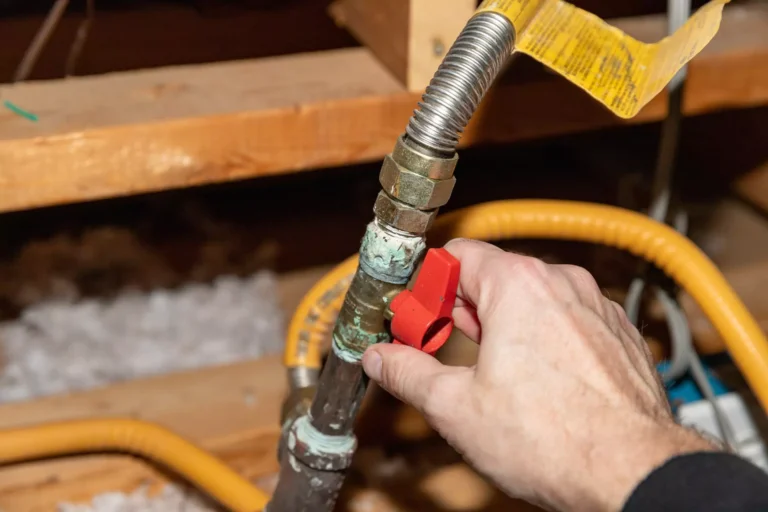
Understanding Gas Line Systems and Safety
Gas lines form the backbone of countless commercial operations across Central Florida, powering everything from restaurant kitchens to industrial heating systems. At Vincent Fire Protection & Plumbing, we understand that properly installed and maintained gas lines are essential for operational efficiency and safety. Natural gas and propane systems require precise engineering and installation to ensure they deliver consistent pressure while maintaining the highest safety standards. Our technicians undergo rigorous training in gas line installation, repair, and maintenance, staying current with evolving codes and regulations that govern commercial gas systems.
The complexity of commercial gas line systems extends far beyond simple pipe connections. Each component must be carefully sized based on the total BTU requirements of all connected appliances, accounting for factors like pipe length, elevation changes, and simultaneous usage patterns. We utilize advanced calculation methods to determine optimal pipe diameters, ensuring adequate gas flow without excessive pressure drops that could compromise equipment performance. Our 24/7 emergency service ensures that any gas line issues receive immediate attention, minimizing downtime and potential safety hazards.
Commercial Gas Line Installation Process
Installing commercial gas lines requires meticulous planning and execution. The process begins with a comprehensive site assessment where we evaluate existing infrastructure, determine optimal routing paths, and calculate the total gas load requirements. We provide free estimates that detail every aspect of the installation, from materials to labor costs. Our in-house fabrication capabilities allow us to create custom pipe configurations that perfectly match your facility’s unique layout, significantly reducing installation time and ensuring precise fits.
During installation, we employ advanced techniques including threaded steel pipe connections, welded joints for high-pressure applications, and flexible corrugated stainless steel tubing (CSST) where appropriate. Each connection undergoes rigorous testing using electronic leak detectors and pressure testing equipment. We maintain test pressures at 1.5 times the operating pressure for a minimum of 30 minutes, documenting all results for compliance records. Our installation teams coordinate closely with other trades to minimize disruptions to your operations, often working during off-hours to accommodate busy commercial schedules.
Maintenance and Inspection Requirements
Regular maintenance of commercial gas lines prevents costly failures and ensures continuous safe operation. Vincent Fire Protection & Plumbing offers comprehensive maintenance programs that include:
- Annual pressure testing of entire gas systems to identify potential weaknesses before they become failures
- Valve exercising and lubrication to ensure emergency shutoffs remain functional when needed
- Corrosion inspection and treatment for exposed piping, particularly in humid Florida environments
- Appliance connection verification to confirm proper sealing and adequate flexible connector condition
- Regulatory compliance documentation maintaining detailed records for insurance and inspection purposes
Our maintenance protocols exceed minimum code requirements, incorporating predictive maintenance strategies that identify potential issues before they impact operations. We utilize thermal imaging cameras to detect abnormal heat patterns that might indicate gas leaks or equipment malfunctions. Ultrasonic leak detection equipment allows us to identify even minor leaks that traditional methods might miss.
Emergency Response and Repair Services
Gas line emergencies demand immediate professional response. Our emergency response team operates around the clock, ready to address gas leaks, pressure irregularities, or equipment failures. When you contact Vincent Fire Protection & Plumbing for emergency gas line service, our dispatchers immediately deploy certified technicians equipped with specialized tools and replacement components. We maintain extensive inventory of common gas line components, enabling most repairs to be completed during the initial service call.
Our emergency protocols prioritize safety while minimizing operational disruptions. Upon arrival, technicians perform immediate hazard assessments, establish safe perimeters, and coordinate with utility companies when necessary. We employ advanced diagnostic equipment including combustible gas indicators and electronic manometers to quickly identify problem sources. Following emergency repairs, we conduct comprehensive system evaluations to identify any contributing factors that might lead to future issues, providing detailed recommendations for preventive measures that enhance long-term system reliability.