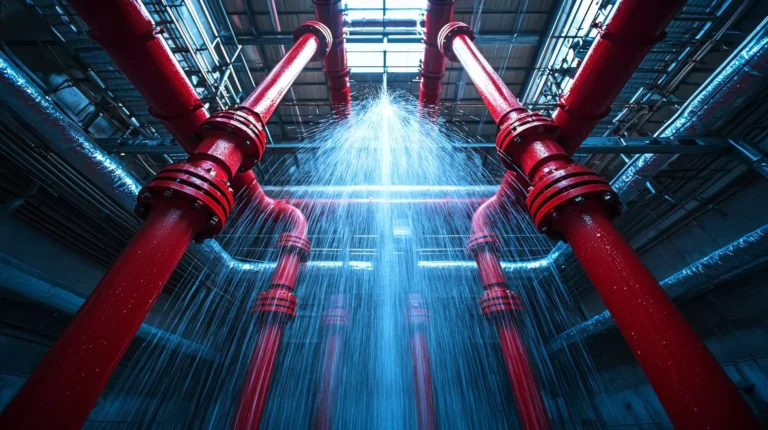
Understanding Fire Suppression System Maintenance Requirements in Christmas, FL
Fire suppression system maintenance stands as a critical component of commercial building safety in Christmas, FL, where we at Vincent Fire Protection & Plumbing have established ourselves as Florida’s Trusted Experts in Fire Protection & Plumbing. Proper maintenance ensures your systems remain operational when they matter most, protecting lives, property, and business continuity. Regular inspections and maintenance procedures required by NFPA 25 standards form the backbone of an effective fire protection strategy, mandating specific inspection frequencies and testing protocols that vary based on system components and environmental factors unique to Central Florida’s climate.
The subtropical environment in Christmas and surrounding areas including Cocoa, Rockledge, and Merritt Island presents unique challenges for fire suppression systems. High humidity levels can accelerate corrosion in metal components, while temperature fluctuations affect water pressure and system performance. Our experience spanning over 50 years has taught us that proactive maintenance prevents approximately 73% of system failures that could otherwise occur during critical moments. We understand that each commercial facility requires customized maintenance schedules based on occupancy type, system age, and environmental exposure, which is why our comprehensive approach addresses every aspect of your fire suppression infrastructure.
Comprehensive NFPA 25 Inspection Services
All NFPA 25 Inspections conducted by Vincent Fire Protection & Plumbing cover Fire Sprinklers, Fire Hydrants, Fire Pumps, Standpipes, and Domestic Backflow and Fire Suppression Backflows, ensuring complete compliance with national standards. These inspections involve detailed visual examinations, functional testing, and performance evaluations that identify potential issues before they compromise system integrity. Weekly inspections focus on control valves and water supply conditions, while monthly checks examine gauge readings, alarm devices, and hydraulic nameplate visibility. Quarterly inspections delve deeper into mechanical components, including alarm devices, hydraulic placards, and fire department connections.
Annual inspections represent the most comprehensive evaluation of your fire suppression system, involving full flow tests, internal pipe inspections, and complete system performance verification. During these inspections, we examine sprinkler heads for corrosion, paint overspray, or physical damage that could impair their function. Water flow alarms undergo testing to ensure proper activation and signal transmission to monitoring stations. Our technicians check spare sprinkler head inventory, ensuring adequate supplies match existing installations, as mismatched components can lead to inadequate fire suppression coverage during emergencies.
Specialized Maintenance Procedures and Testing Protocols
Fire pump testing requires precise procedures to verify operational readiness without disrupting facility operations. We conduct weekly churn tests that run pumps without flowing water, monitoring for unusual vibrations, bearing temperatures, and seal conditions. Monthly flow tests measure pump performance against manufacturer specifications, ensuring adequate water pressure and volume delivery throughout the system. These tests reveal developing problems such as impeller wear, motor degradation, or coupling misalignment that could result in pump failure during fire events.
Standpipe system maintenance involves pressure testing vertical piping systems that supply water to multiple floors, crucial for high-rise buildings in Cape Canaveral and Cocoa Beach. We perform five-year hydrostatic tests at 200 PSI or 50 PSI above maximum working pressure, whichever is greater, identifying weaknesses in piping, fittings, and valve assemblies. Flow tests verify that required pressures reach the highest and most remote hose connections, ensuring firefighters have adequate water supply regardless of fire location within the structure.
Advanced System Components and Technology Integration
Modern fire suppression systems incorporate sophisticated detection and control technologies that require specialized maintenance expertise. Pre-action and deluge systems common in industrial facilities demand careful calibration of detection devices, control panels, and releasing mechanisms. Our technicians maintain these complex systems through systematic testing of heat and smoke detectors, verification of control logic programming, and inspection of solenoid valves and releasing panels. Electronic components undergo sensitivity testing to prevent false activations while ensuring rapid response to actual fire conditions.
Backflow prevention devices protect potable water supplies from contamination by fire suppression water, requiring annual testing and certification by licensed professionals. We perform differential pressure tests across check valves, verify proper operation of relief valves, and document results for regulatory compliance. Our in-house fabrication capabilities for Commercial Renovations for your Fire Suppression Needs cuts down construction time when replacements or modifications become necessary, minimizing system downtime and maintaining protection continuity.
Emergency Response and 24/7 Service Availability
System failures don’t follow business hours, which is why we offer 24/7 Emergency Service throughout Sharpes, Rockledge, and surrounding communities. Emergency situations requiring immediate response include:
- Burst pipes or significant leaks threatening property damage or system functionality
- Accidental system activation requiring reset and investigation of triggering causes
- Pump failures leaving facilities without fire protection coverage
- Valve malfunctions preventing proper system isolation or operation
- Alarm system failures compromising emergency notification capabilities
Our rapid response minimizes business disruption while restoring full fire protection capabilities. We maintain comprehensive parts inventory for common repairs, enabling immediate restoration of most system functions without waiting for component delivery.
Long-term Maintenance Planning and Cost Management
Developing strategic maintenance plans reduces long-term costs while ensuring continuous protection reliability. We provide free estimates for maintenance programs tailored to specific facility requirements and budget constraints. Predictive maintenance strategies utilize system performance data to anticipate component failures, scheduling replacements during planned downtime rather than emergency situations. This approach typically reduces maintenance costs by 30-40% compared to reactive maintenance strategies while improving system reliability by identifying degradation patterns before complete failure occurs.
Our third-generation company expertise enables accurate lifecycle predictions for system components, helping facility managers budget for replacements and upgrades. Regular maintenance extends equipment life significantly, with properly maintained sprinkler heads lasting 50 years or more compared to 20-25 years for neglected systems. Documentation of all maintenance activities provides historical records supporting insurance claims, regulatory compliance, and property valuations, adding value beyond immediate safety benefits.