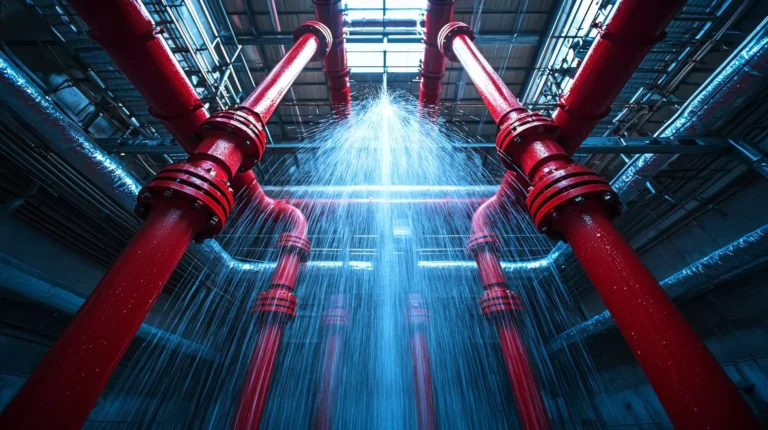
Understanding Fire Suppression Systems for Commercial Properties
Fire suppression systems represent one of the most critical safety investments for any commercial building in Sharpes, FL. At Vincent Fire Protection & Plumbing, we specialize in designing, installing, and maintaining comprehensive fire suppression solutions that protect lives, property, and business continuity. These systems go beyond simple fire extinguishers, incorporating advanced detection technologies, automatic suppression mechanisms, and integrated alarm systems that work together to minimize fire damage and ensure occupant safety.
Modern fire suppression systems utilize various suppression agents depending on the specific application and environment. Water-based sprinkler systems remain the most common choice for general commercial spaces, while specialized environments may require clean agent systems, foam suppression, or dry chemical applications. Each system type offers distinct advantages based on factors such as the materials being protected, environmental considerations, and regulatory requirements specific to Brevard County and Florida state codes.
Types of Fire Suppression Systems We Install
Wet pipe sprinkler systems dominate commercial installations throughout Sharpes and surrounding areas due to their reliability and cost-effectiveness. These systems maintain water under pressure within the piping network at all times, ensuring immediate response when heat activates individual sprinkler heads. We design these systems with precise hydraulic calculations to deliver optimal water distribution while minimizing water damage. The typical wet pipe system we install includes strategically placed sprinkler heads with temperature ratings matched to specific area requirements, main and branch piping sized according to NFPA standards, control valves for system isolation, and monitoring devices that integrate with building alarm systems.
Dry pipe systems serve facilities where freezing temperatures might occur or where water damage concerns outweigh immediate response requirements. These systems maintain pressurized air or nitrogen in the piping network, with water held back by a dry pipe valve. When a sprinkler head activates, the air pressure drops, allowing the valve to open and water to flow through the system. Pre-action systems combine features of both wet and dry systems, requiring two separate events before water discharge occurs. This double-interlock approach makes them ideal for protecting sensitive equipment in data centers, museums, or archival storage facilities throughout Central Florida.
Advanced Detection and Control Technologies
Contemporary fire suppression systems incorporate sophisticated detection technologies that identify fire conditions faster and more accurately than ever before. We install multi-sensor detectors that analyze multiple environmental factors simultaneously, including smoke particle size, temperature rise rate, and carbon monoxide levels. These intelligent detectors significantly reduce false alarms while ensuring rapid response to actual fire conditions. Our systems feature addressable control panels that pinpoint exact alarm locations, enabling faster emergency response and more efficient system maintenance.
Integration capabilities allow fire suppression systems to communicate with other building systems, creating comprehensive life safety networks. When our systems detect fire conditions, they can automatically trigger responses such as elevator recall, HVAC shutdown to prevent smoke spread, door release for evacuation routes, and emergency lighting activation. This level of integration requires careful coordination during installation, which our experienced technicians handle through detailed planning and precise execution. Our 24/7 emergency service ensures immediate response when system issues arise, minimizing downtime and maintaining continuous protection.
Commercial Kitchen Fire Suppression Solutions
Restaurant and commercial kitchen fire suppression systems require specialized design considerations due to the unique hazards posed by cooking operations. We install UL 300-compliant kitchen hood suppression systems that protect cooking surfaces, exhaust hoods, and ductwork from grease fires. These systems utilize wet chemical agents specifically formulated to suppress high-temperature cooking oil fires while creating a foam blanket that prevents re-ignition. The installation process involves precise nozzle placement over each cooking appliance, fusible link or electronic detection systems calibrated for kitchen environments, manual pull stations for emergency activation, and automatic fuel and power shutoffs.
Regular maintenance of kitchen suppression systems proves essential for continued effectiveness. Grease accumulation can impair system performance, while worn components may fail during activation. We provide comprehensive NFPA 96 inspections that examine all system components, verify proper operation, and identify potential issues before they compromise safety. Our in-house fabrication capabilities allow us to create custom solutions for unique kitchen layouts, reducing installation time and ensuring optimal coverage for every cooking station.
Industrial and Warehouse Fire Protection Strategies
Industrial facilities and warehouses in Sharpes present unique fire protection challenges due to their size, storage configurations, and varied hazard classifications. We design Early Suppression Fast Response (ESFR) sprinkler systems that deliver high-volume water discharge to suppress fires quickly without requiring in-rack sprinklers in many applications. These systems prove particularly effective in high-piled storage environments where rapid fire growth potential exists. Our engineering team analyzes commodity classifications, storage arrangements, and building characteristics to determine optimal sprinkler selection and spacing.
Comprehensive Inspection and Maintenance Programs
Regular inspection and maintenance ensure fire suppression systems remain ready to perform when needed. We conduct all NFPA 25 inspections, including:
- Quarterly inspections of water flow alarms, valve supervisory devices, and control panels
- Semi-annual inspections of hydraulic nameplates, gauges, and standpipe systems
- Annual inspections of sprinkler heads, pipes, hangers, and seismic bracing
- Five-year internal pipe inspections to identify corrosion or obstruction issues
- Domestic and fire suppression backflow testing to ensure water supply protection
Our inspection services extend beyond sprinkler systems to include fire hydrants, fire pumps, and standpipes. Each inspection generates detailed documentation that satisfies insurance requirements and regulatory compliance while providing valuable system performance data. Free estimates for new installations and system upgrades help property owners budget effectively for fire protection improvements.
Code Compliance and Regulatory Requirements
Florida fire codes establish stringent requirements for commercial fire suppression systems, with local authorities having jurisdiction over specific implementation details. We maintain current knowledge of all applicable codes, including Florida Fire Prevention Code, NFPA standards, and local amendments specific to Brevard County. Our design process incorporates these requirements from the initial planning stages, preventing costly modifications during inspection. We coordinate with local fire marshals throughout the project, ensuring smooth approval processes and timely occupancy permits.
Building renovations often trigger fire suppression system updates to meet current codes. Our team evaluates existing systems to identify required modifications while exploring cost-effective approaches that maximize existing infrastructure utilization. With over 50 years serving Florida communities, we understand the evolution of fire codes and can navigate complex retrofit situations effectively. Our third-generation expertise enables us to provide practical solutions that balance safety requirements with budget considerations, ensuring businesses throughout Sharpes, Cocoa, Rockledge, Merritt Island, Cape Canaveral, and Cocoa Beach receive optimal fire protection value.